
Britons Agree Loneliness in Later Life Is a Crisis, But No One Can Agree Who Should Fix It
Public concern is high, but responsibility for tackling isolation among older people remains unclear, research suggests
Nearly four in five (79%[1]) adults surveyed in the UK believe loneliness among older people is a serious national issue, yet there is little consensus on who should be responsible for addressing it, according to research that highlights a growing disconnect between concern and accountability.
A nationally representative survey of 1,000 UK adults, conducted by Censuswide for the charity Adopt a Grandparent, found that more than half (54%) view loneliness in later life as a growing social concern, while one in four (25%) believe it amounts to a major public health crisis.
Despite this shared concern, responsibility appears fragmented. When asked who is most responsible for ensuring older people do not feel isolated, just under four in ten (39%) pointed to families, while a third (34%) said responsibility should sit with society as a whole. Far fewer named care homes (6%), community groups (6%) or charities (5%), and around one in ten (10%) said no single group could be held accountable.
The findings also point to a broader breakdown in relationships between generations. Three in four (76%[2]) UK adults believe intergenerational relationships are undervalued in society, with almost four in ten (39%) saying the country has “definitely lost connection between generations”.
Concerns about loneliness are also deeply personal. When asked what worries them most about growing older, nearly one in four (23%) said they fear feeling lonely or forgotten — making it one of the most common anxieties about ageing, second only to declining health (31%).
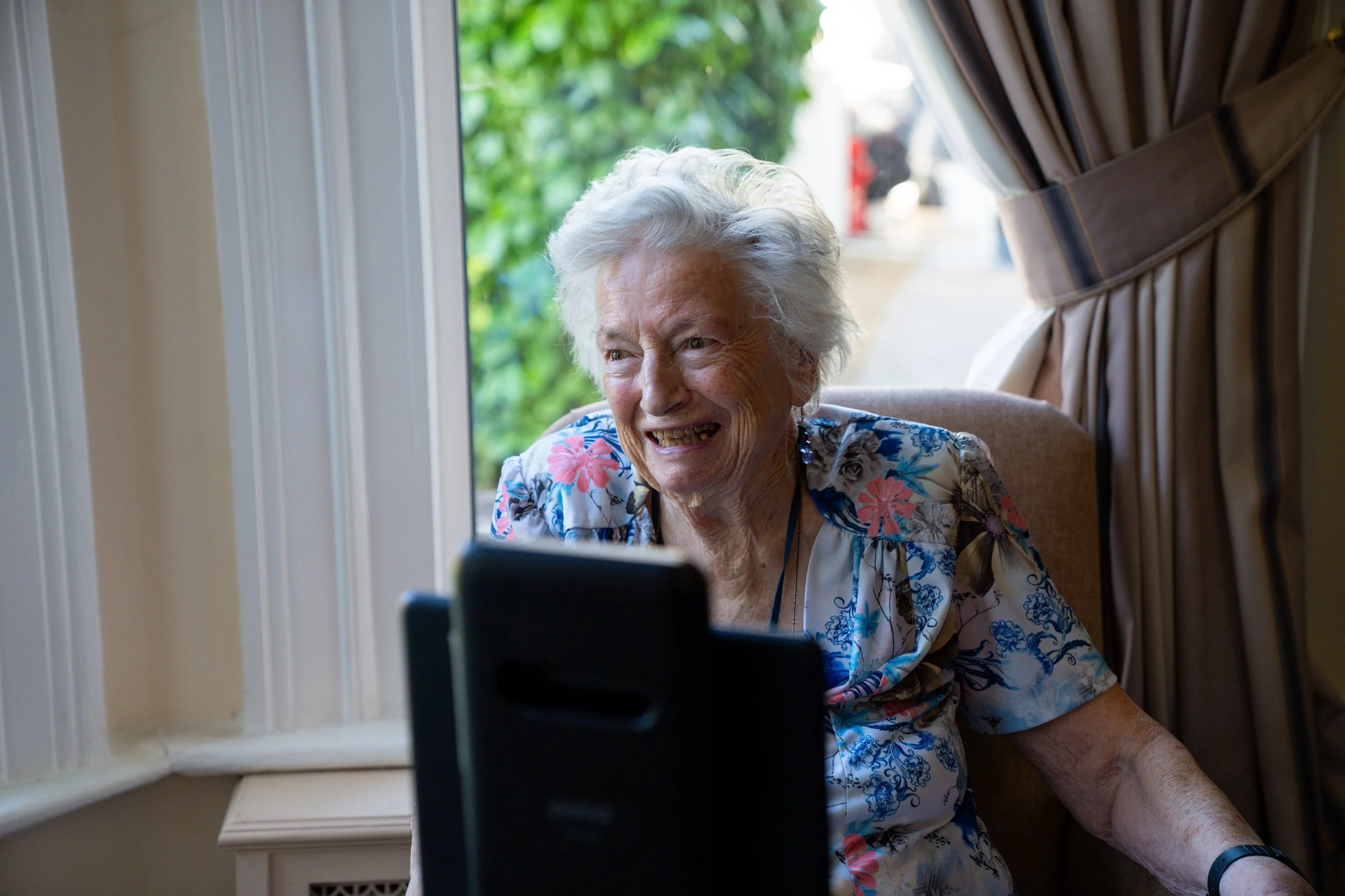
While responsibility is debated, there is clearer agreement on what helps. Two in five (41%) say regular human connection, even when delivered virtually, is the most effective way to reduce loneliness among older adults. This was ranked significantly higher than care home visits and events (16%), raising awareness (13%) or training older people to use technology (9%).
David Annand, Head of Operations and Fundraising at Adopt a Grandparent, said the findings reflect a wider social hesitation:
“People recognise loneliness as a serious issue, and many fear it for themselves in later life. But responsibility feels scattered, and that can lead to inaction.
What’s striking is that people are clear about what works. Regular, meaningful human connection still matters most, not as a one-off gesture, but as something sustained.”
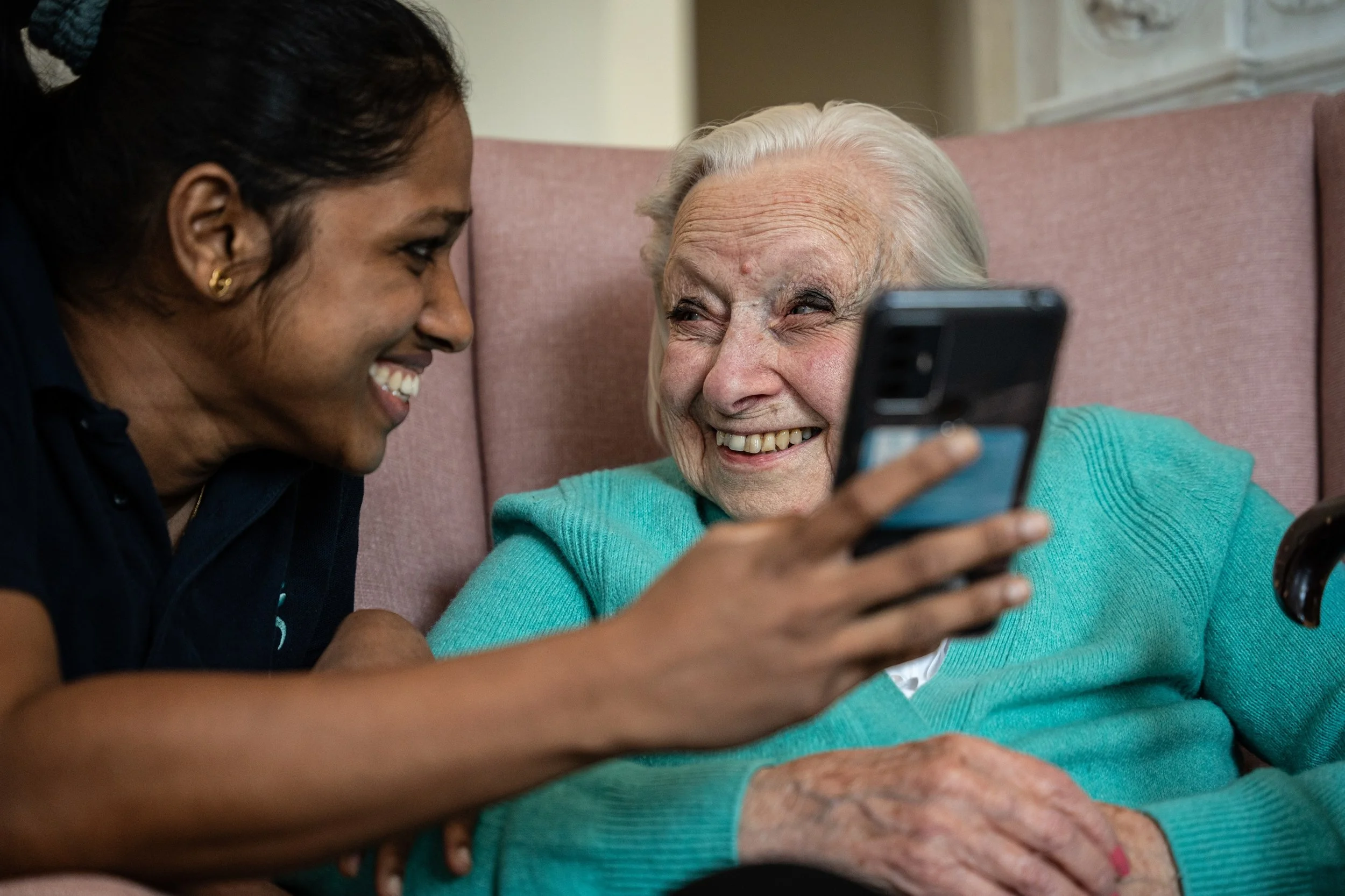
The research also suggests confidence is not the main barrier. More than eight in ten (85%[3]) adults surveyed said they feel confident talking to someone from a different generation, indicating that the challenge lies less in ability and more in how society creates space for those relationships to form.
As the UK’s population ages, the findings raise questions about how emotional wellbeing in later life is supported, and who is expected to step in when family contact becomes less frequent.
[1] Combines ‘A growing social concern’ and ‘A major public health crisis’
[2] Combines ‘Yes, definitely – we've lost connection between generations’ and ‘Yes, somewhat – but it's improving’
[3] Combines ‘Very confident – I love it/would love it’ and ‘Fairly confident – with some help or structure’